
Rogers Previous Residents Sources
A Rogers house history begins in the present and reaches backward across sources with different dates and purposes. The assessor and GIS establish the modern parcel. The Benton County Circuit Clerk's land index links that parcel to recorded deeds. Older deed film, printed directories, census schedules, Sanborn maps, and city permits then fill the gaps. Not every source names occupants, so each finding must be labeled for what it truly shows.
| Source | Verified years | Where kept | Evidence about the address |
|---|---|---|---|
| BIS deed index and images | Index 1945-present; deed images 1933-present | Benton Recorder online and counter | Grantor, grantee, date, legal description |
| Deed microfilm | 1837-2015 | Benton County Historical Society | Earlier owner chain |
| Rogers and regional directories | Verified 1939, 1947, 1996, 1998, 2000-01, 2004-05, 2008-09 | Museum and library catalogs | Named household or business; reverse access in 1996 |
| Federal census | Benton holdings 1840-1910; public federal schedules through 1950 | BCHS, NARA, FamilySearch | People, relationships, age, birthplace |
| Sanborn maps | 1896, 1901, 1908, 1914, 1923, 1948 | Library of Congress | Building footprint, use, street setting |
| Rogers permits | Evidence at least 2013; full start not verified | City archive and public portal | Work date, PIN, applicant, contractor, value, status |
Start with the newest source that overlaps the target era. For a nineteenth-century parcel, that means the deed books and tax indexes. For the late twentieth century, a reverse directory may give a listed householder faster than a census can.
Trace Rogers Previous Residents
The present parcel card supplies the durable keys: parcel ID, legal description, current owner, owner mailing address, situs address, and deed document number. Carry the legal description through every step. It protects the chain when road names, house numbers, or postal labels do not align.
- Find the exact Rogers situs address in Benton County GIS. Copy the parcel ID, owner, deed number, and full legal description.
- Confirm the assessor card and transfer list. Note the homestead field as a clue, never as proof of every occupant.
- Open the current acquisition deed. Record the grantor, grantee, execution and recording dates, and book/page or instrument number.
- Search the current grantor as an earlier grantee. Confirm the same lot, block, subdivision, or metes-and-bounds description.
- Repeat until the online index ends, then move to the Recorder counter, deed books, or BCHS microfilm.
The Benton County land-record service is the online index and paid-image route.
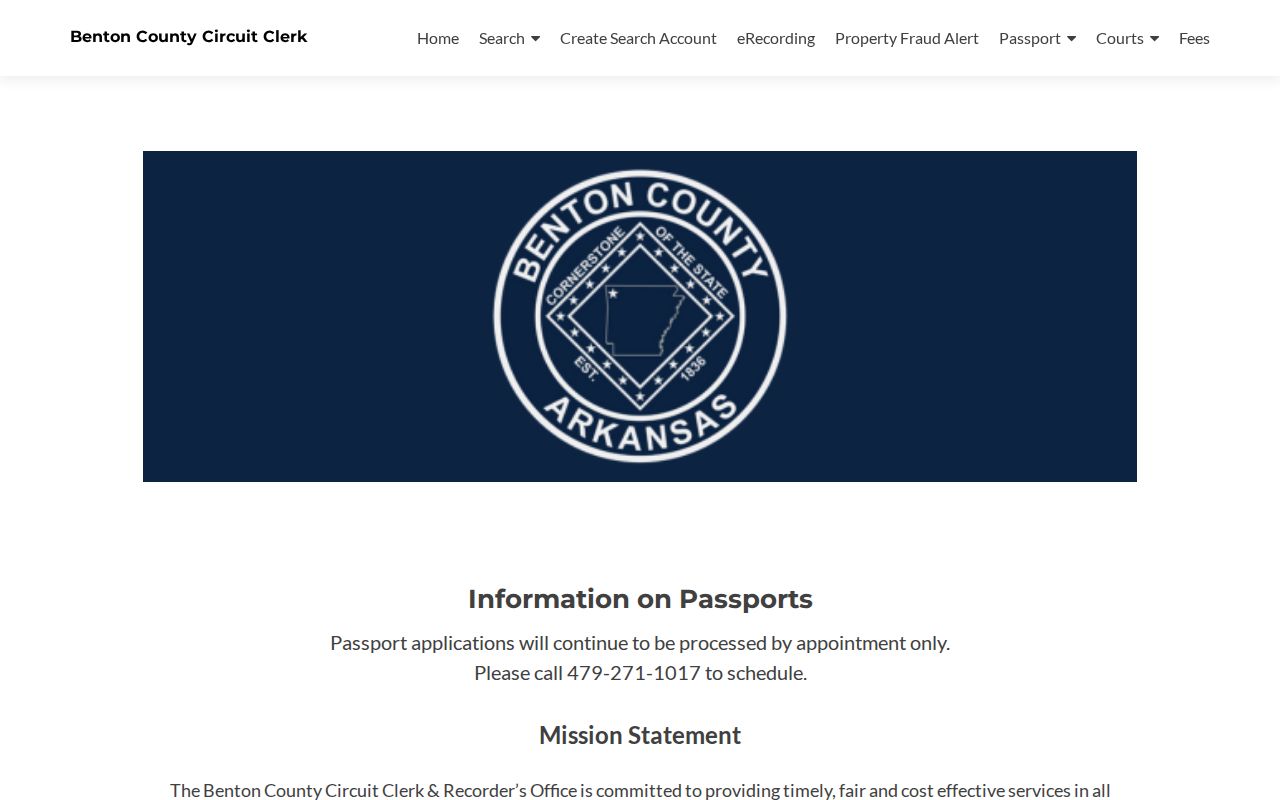
The captured service confirms the online starting point. Early books and uncertain image coverage still require the Recorder's 8:00 a.m. to 4:30 p.m. counter in Room 202 at 215 E Central in Bentonville.
- Grantor
- The person or entity transferring an interest in land.
- Grantee
- The person or entity receiving that interest.
- Chain of title
- The linked sequence of recorded transfers for the same land.
- Legal description
- The lot, block, subdivision, or metes-and-bounds identity that outlasts a street label.
Rogers Previous Deeds Go Offline
The current vendor FAQ gives a broad public index from May 3, 1945, and images from January 31, 1933. Its series matrix says deed indexing begins in 1945, deed images in 1933, mortgage index and images in 1970, and later dates for liens, plats, UCC records, and other series. An older county summary reports different cutoffs. Treat the document type as the deciding factor.
Documents recorded before October 30, 2017, are retrieved by book and page. Later instruments use a number beginning with “L.” Index searches are available without an image fee, while document images use the vendor's paid access. Copy the reference before deciding whether to order or view the record.
BCHS deed microfilm reaches from 1837 through 2015 and supplies the deep bridge. Its holdings also include tax surname and section indexes, assessor books, plats, and a 1903 atlas. These are direct research channels, not proof that one continuous online chain exists.
Coverage comparison. The web index reaches 1945, while Benton County Historical Society deed film reaches 1837; the Recorder counter resolves series gaps.
Note: Verify the current fee and coverage for the exact record series before ordering an image or certified copy.
Match Rogers Past Residents by Era
Ownership is only half the story of Rogers previous residents. A deed can name a buyer without naming relatives, renters, boarders, or later occupants. A directory may list a householder or business. A census schedule can add the full household and relationships. The result is strongest when adjacent years agree.
Use a short flow: exact address or legal parcel → nearest directory year → named householder → 1940 or 1950 census household → obituary, cemetery, or probate confirmation. The 1950 enumeration is the latest public federal census under the 72-year release rule. A missing directory entry may mean a move, death, name change, skipped issue, or incomplete local holdings.
The FamilySearch catalog for Rogers provides a place-based route to digitized and microfilmed material.
The catalog is an access lead. Account, affiliate, and image limits vary, and its broad directory collection does not prove that every year contains a Rogers volume.
The full verified directory holdings and reading methods appear in the Rogers directory book reference. For address history, use those volumes as dated evidence rather than rebuilding their catalog here.
Rogers Census Pairing Method
Census research works best after a name and rough address are known. Search the nearest public census by name, then inspect the original schedule and surrounding households. Street and house numbers may be recorded unevenly, so household composition, age, birthplace, and nearby names can help distinguish one Rogers family from another.
The National Archives census research portal explains access to released federal schedules and the 72-year rule.
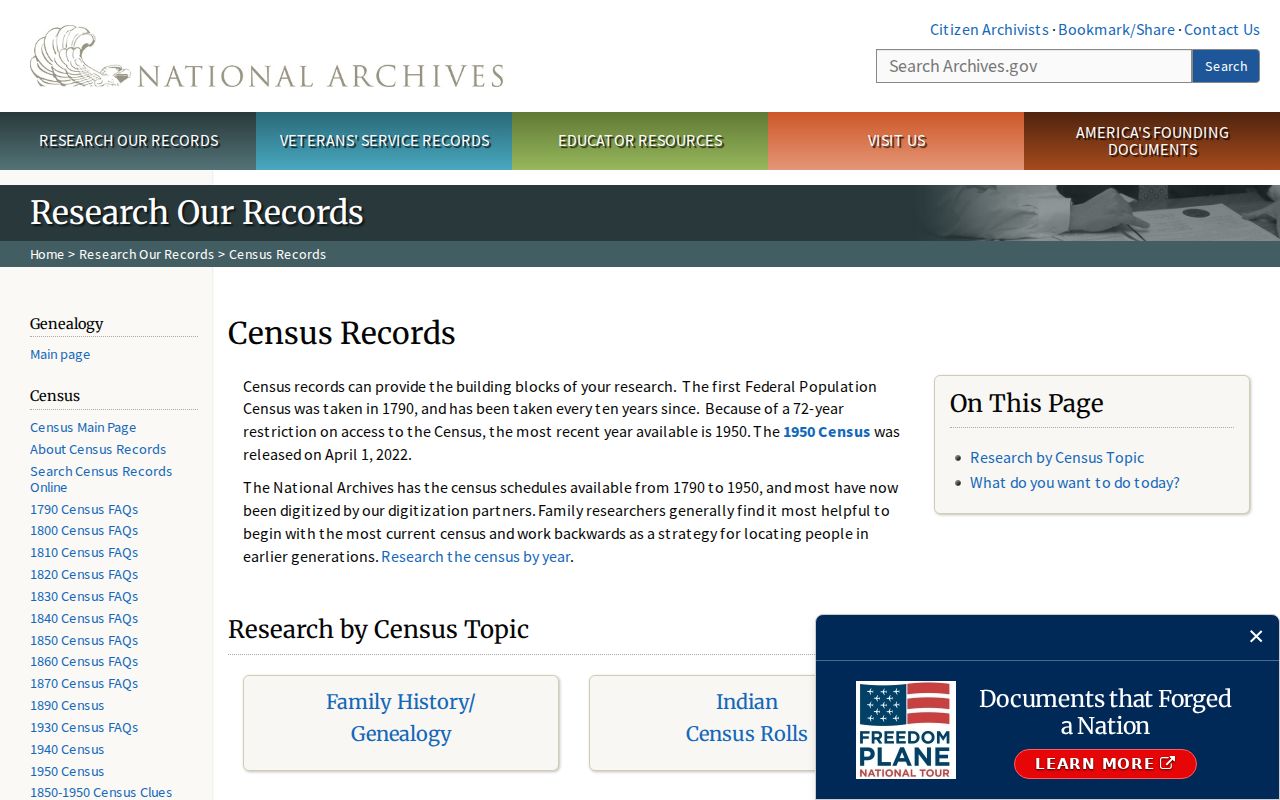
The census is a household source, but it marks one enumeration date. Pair it with a directory before or after that year to test whether the family stayed at the Rogers address.
- Choose the nearest verified directory year and record the spelling, spouse notation, occupation, and address shown.
- Search the nearest released census, preserving middle initials and other household names.
- Compare neighbors and street context, not just one matching surname.
- Return to the next dated directory, newspaper, or deed to see whether the trail continues.
Date Rogers Previous Address Changes
Sanborn fire-insurance maps can show whether a structure existed, how it was used, its footprint, and how the street looked in a given map year. Rogers editions are verified for 1896, 1901, 1908, 1914, 1923, and 1948. They do not name the occupant. Pair a map with a deed, directory, census, or tax record.
No official Rogers street-renumbering year was found. When a number fails, switch to the parcel's legal description, plat, sequential Sanborn sheets, and the museum's road or map files. That is safer than forcing two similar addresses into one chain.
Modern permits can date a remodel, addition, demolition, or other physical change. An archived 2013 Rogers report shows fields such as address, work type, applicant or contractor, PIN, value, status, and fees. The applicant or contractor is not automatically an owner or resident.
The Rogers Archive Center supports keyword, category, time-period, and date-range searches.
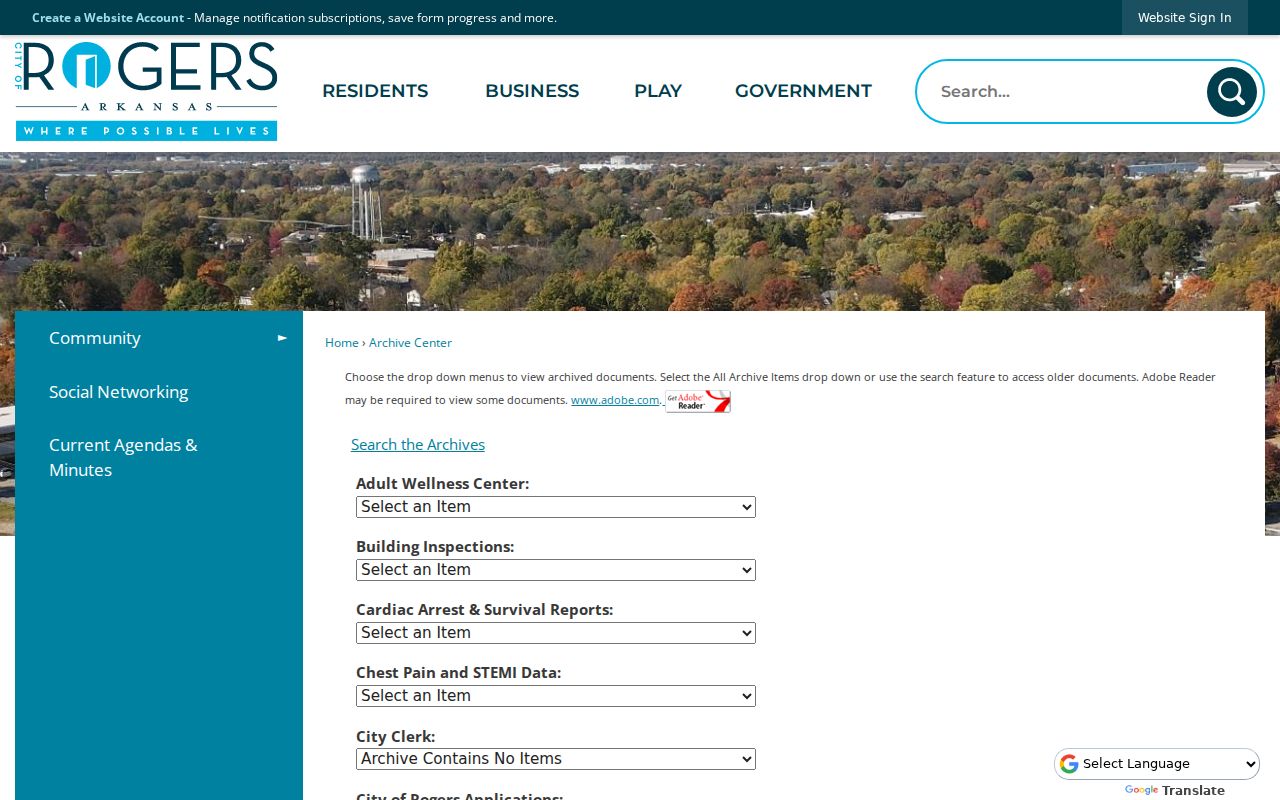
The archive search helps date city actions at an address. Guest access to the current permits portal is another channel when the archive does not cover the needed event.
Rogers Records Before the Web
Benton County formed in 1836. Local courthouse histories report that an early temporary courthouse burned about 1840 and another burned in December 1862. Many court papers were lost, while deed and circuit records hidden near Paris, Texas, reportedly survived. That uneven survival explains why one early record series may reach farther back than another.
The county archive describes film through 1990 and optical records from 1990 forward. BCHS holdings begin with 1837 tax and land material. When an online search stops, use the Recorder counter, County Archives, BCHS, Rogers Historical Museum, and library or catalog channels. Ask for a named series and date range rather than a broad search for a person.
This local story is more than color. It cautions against reading a gap as proof that a transaction, court event, or household did not exist. Search the surviving land, tax, directory, newspaper, and cemetery series separately.
Close a Rogers Previous Resident Trail
When a past resident disappears from an address source, obituary, cemetery, and probate records can explain what happened next. The Rogers cemetery database covers Rogers Cemetery and more than seventy cemeteries across Benton and Washington Counties. Results may include a monument, obituary, funeral-home note, or biography. Search surname variants and nearby family markers. The Arkansas ClaimIt index may supply an heir clue through an owner name, reported city, or co-owner, but a claim requires proof and the index does not establish current residence.
Family events can extend the trail through the Benton County marriage-record channel or an eligible request using the Arkansas divorce-coupon form. A state coupon is not the complete county marriage record or Circuit Court divorce file, and recent vital records remain restricted.
Probate records may name a decedent, personal representative, heirs, property, and dated filings. Benton County Clerk administers the Probate Division, and public docket information may appear through Arkansas CourtConnect. Ask the custodian for a specific case or copy procedure. Recent vital certificates remain restricted under Arkansas law.
Newspaper routes include the Rogers Daily Post, Rogers Daily News, and Northwest Arkansas Morning News catalog lineages. The museum holds early newspaper microfilm, while BCHS has county newspapers from 1846 through 1950. Exact title coverage must be checked before claiming that an obituary is available.
Note: A death record can close one person's timeline, but it does not prove every move or every occupant at the parcel.
Use Rogers Previous Residents Lawfully
A sound address history distinguishes recorded owners, listed householders, census occupants, permit applicants, and relatives. It never turns a single mailing address into a claim about residency. Trusts, companies, and public bodies may own parcels. Renters may leave no address-keyed public record. Namesakes require more than one matching source.
Keep citations, search dates, document numbers, and the exact role shown. Verify transcriptions against images or certified copies when the fact matters. Never infer or disclose an address protected through the Arkansas Address Confidentiality Program.
Lawful use. Rogers previous-resident research supports house history, genealogy, and heir work; never use it to track, intimidate, or harass a living person.
The most defensible final statement is precise: a deed names an owner, a directory lists a householder, or a census records a household on its enumeration date. Together, those dated facts can answer who lived here before without claiming more than the record shows.